Regulatory Signs
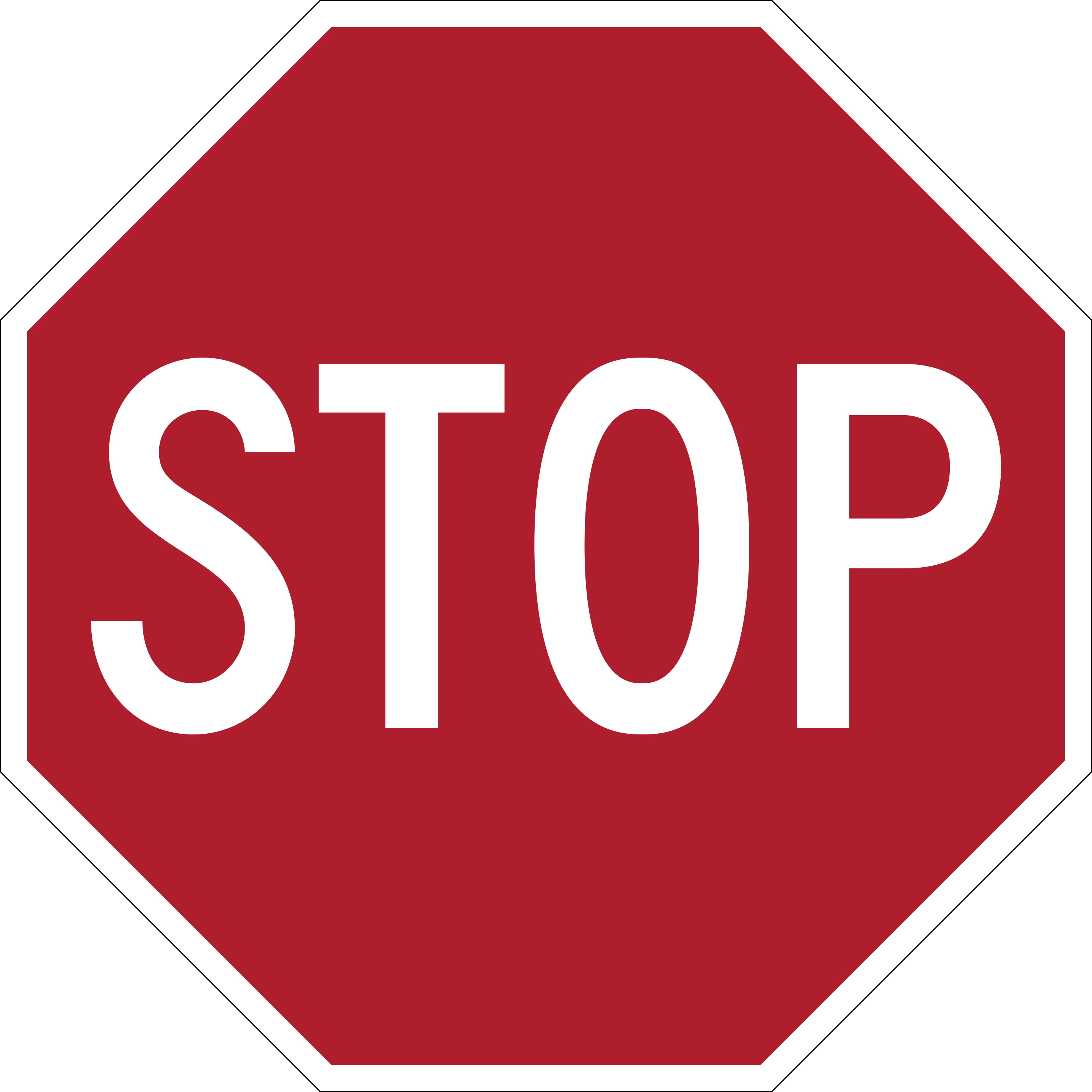
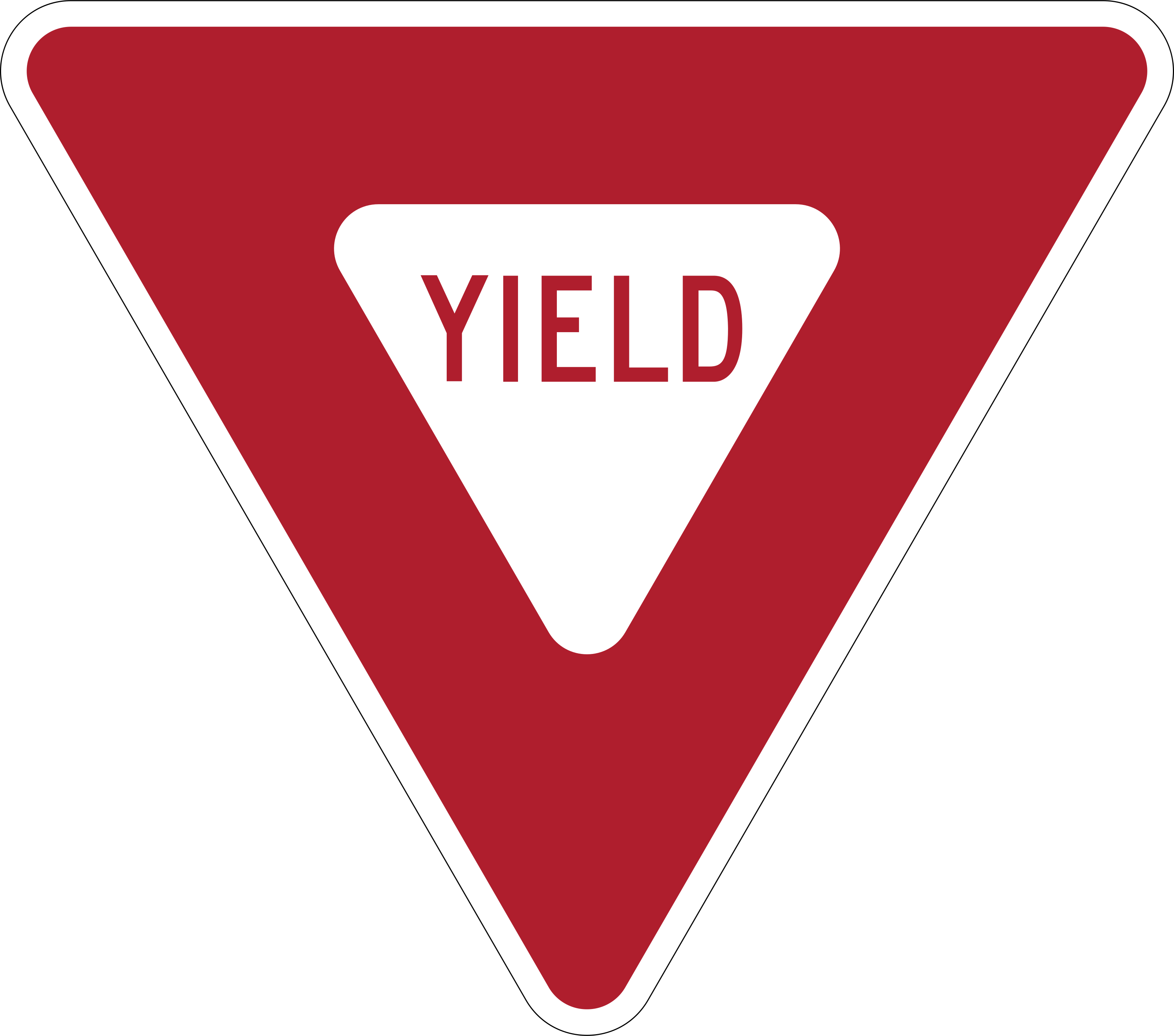
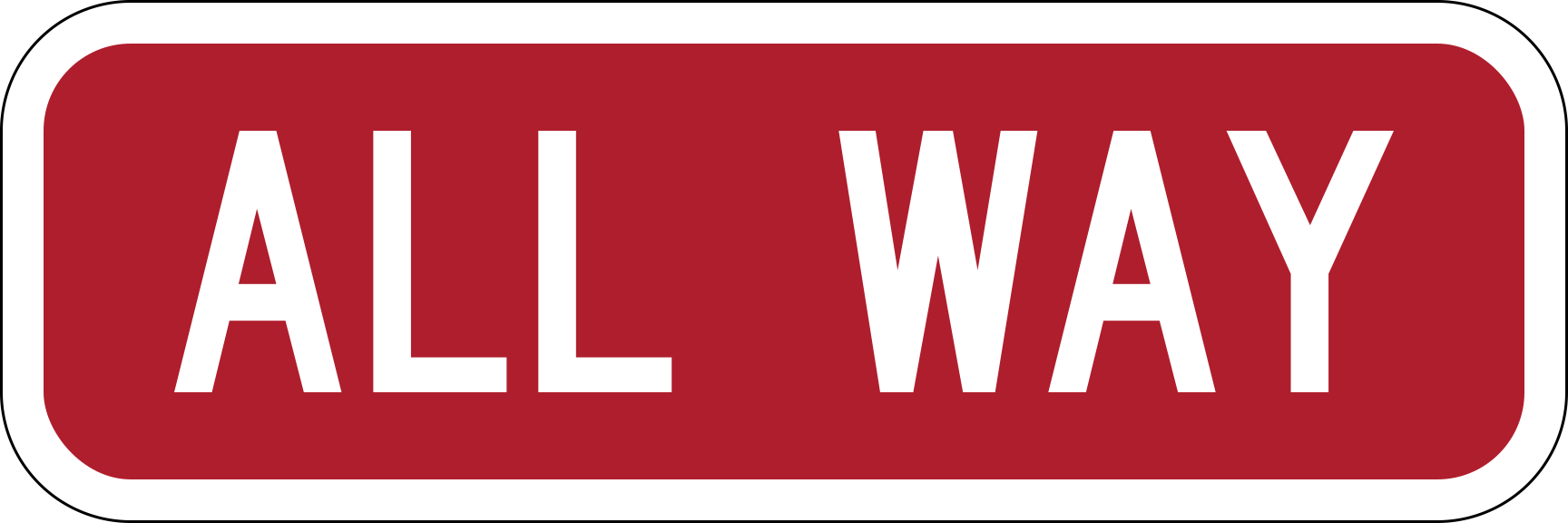
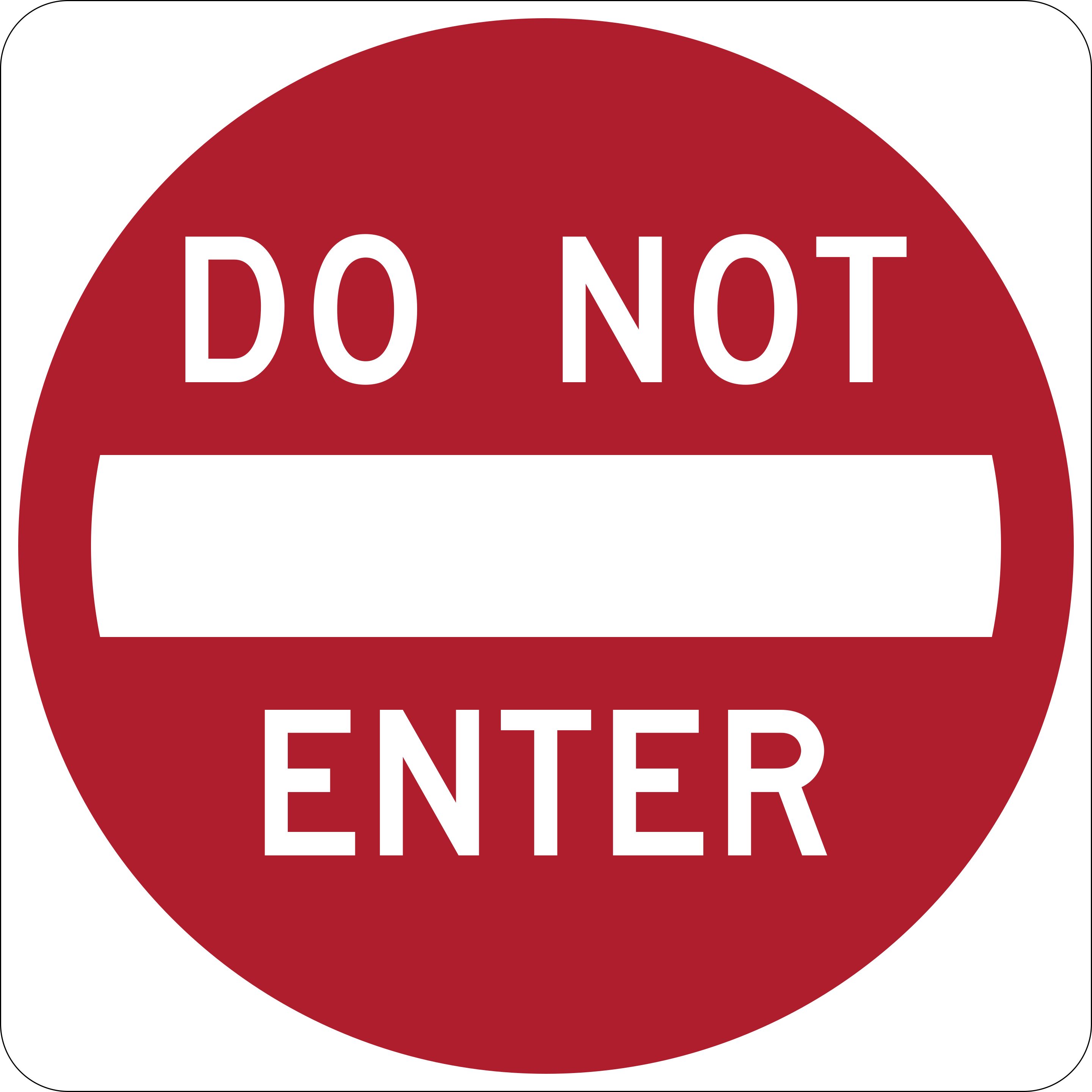
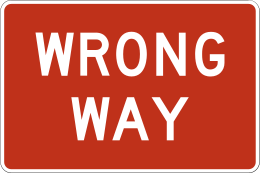
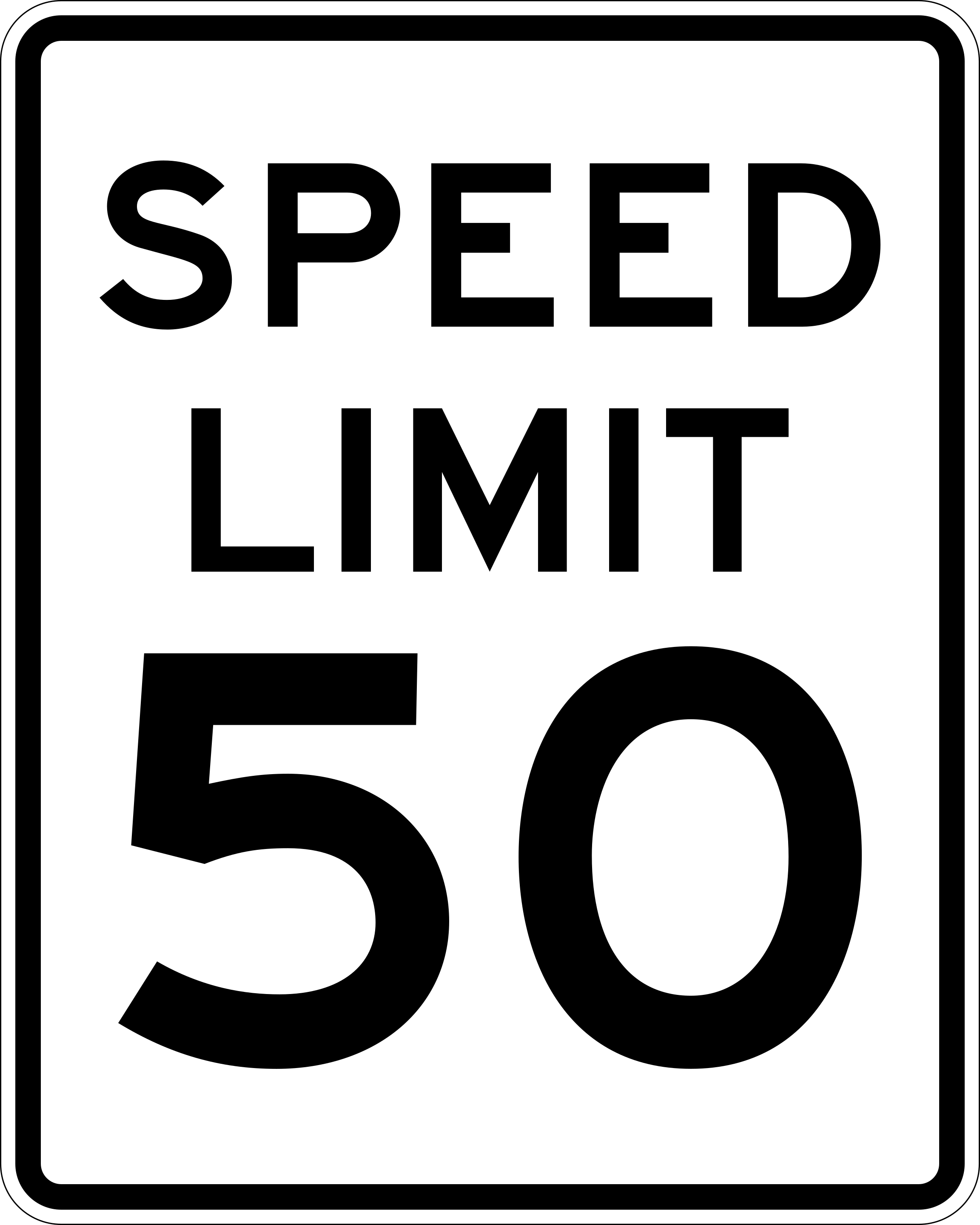
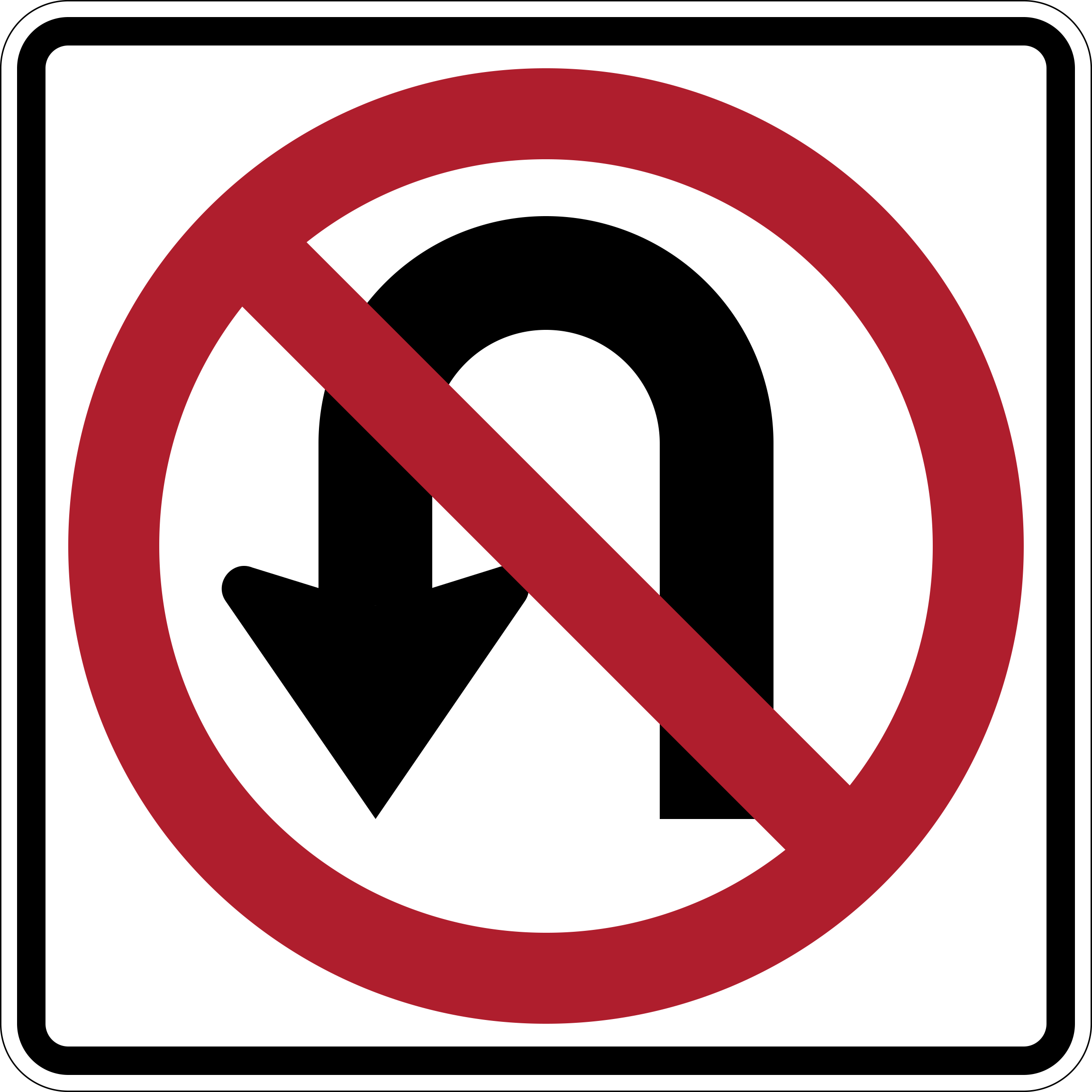
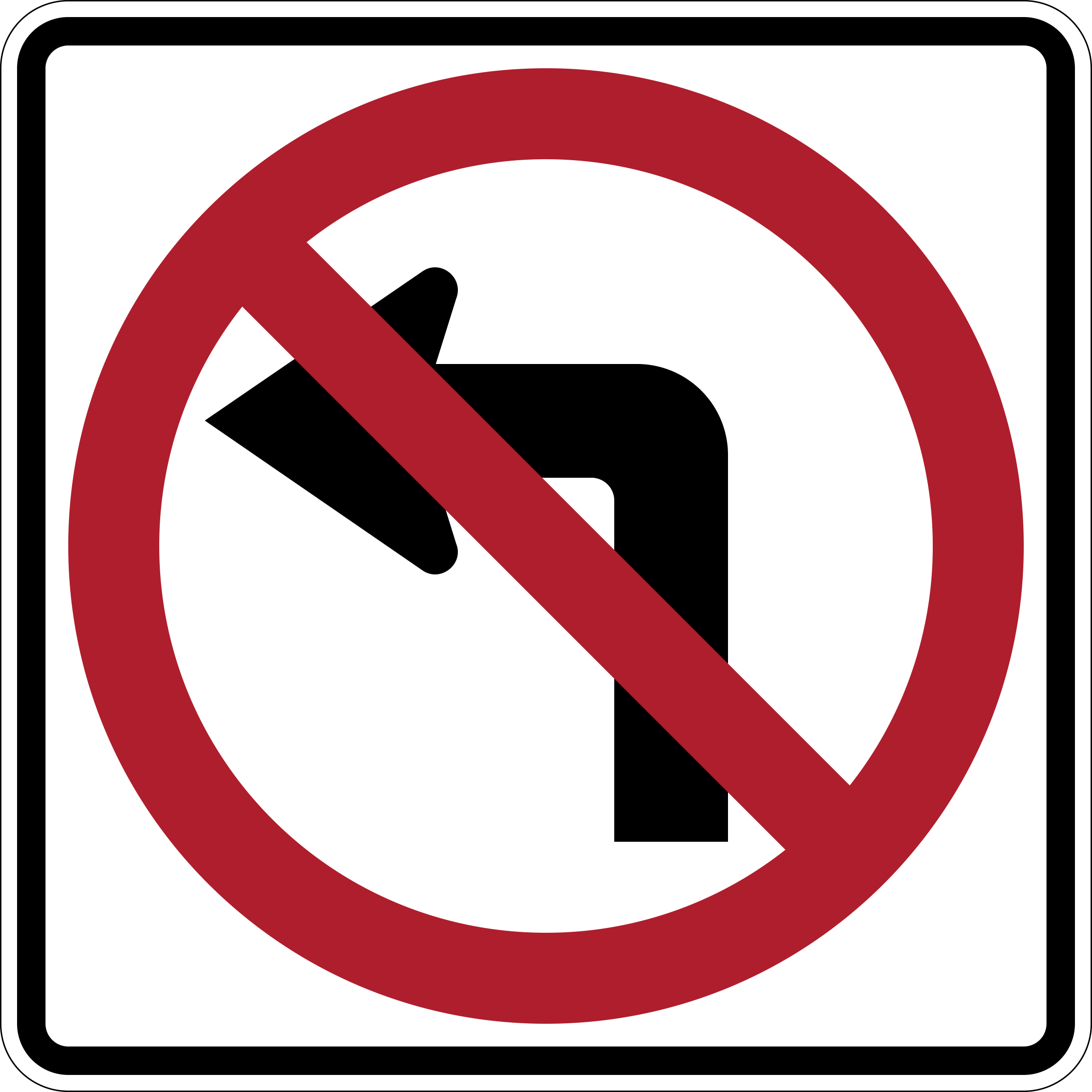
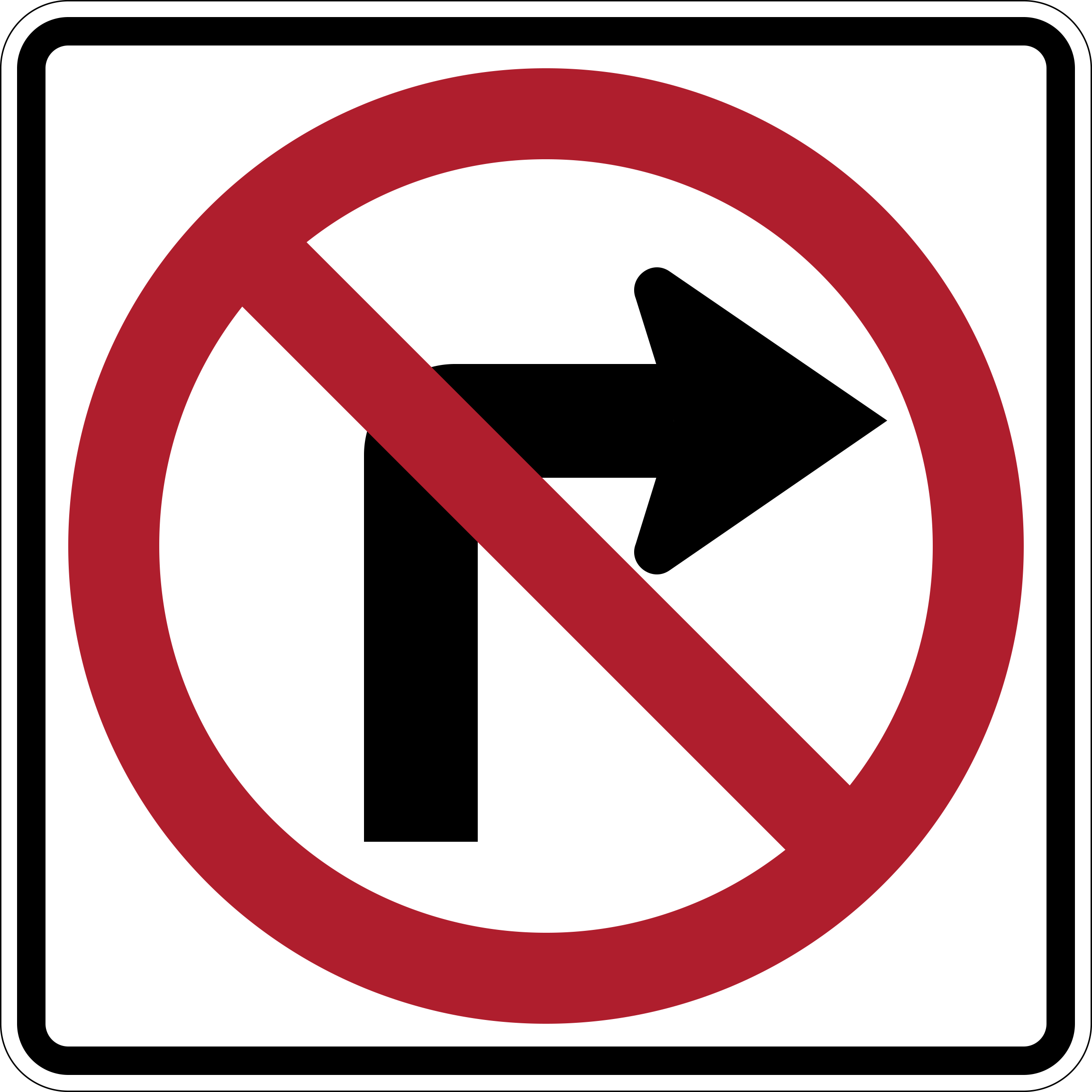
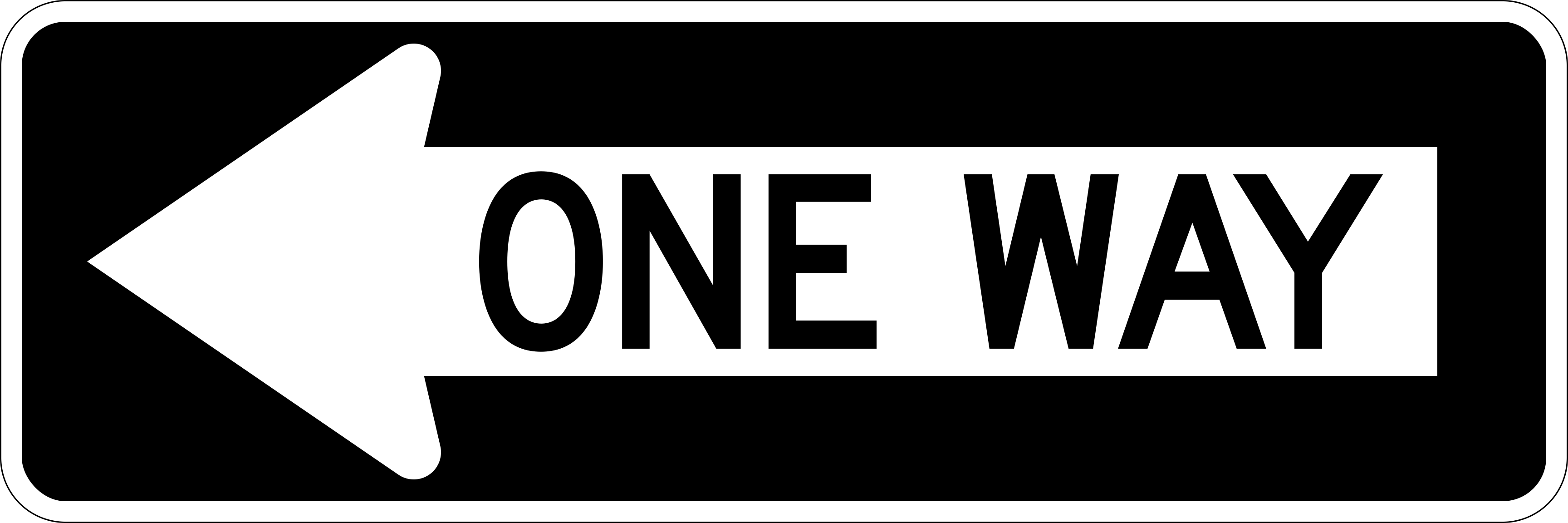
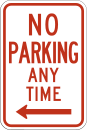
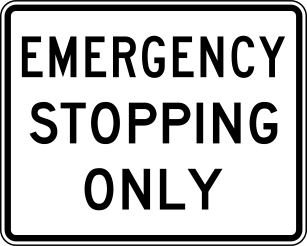
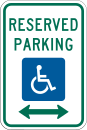
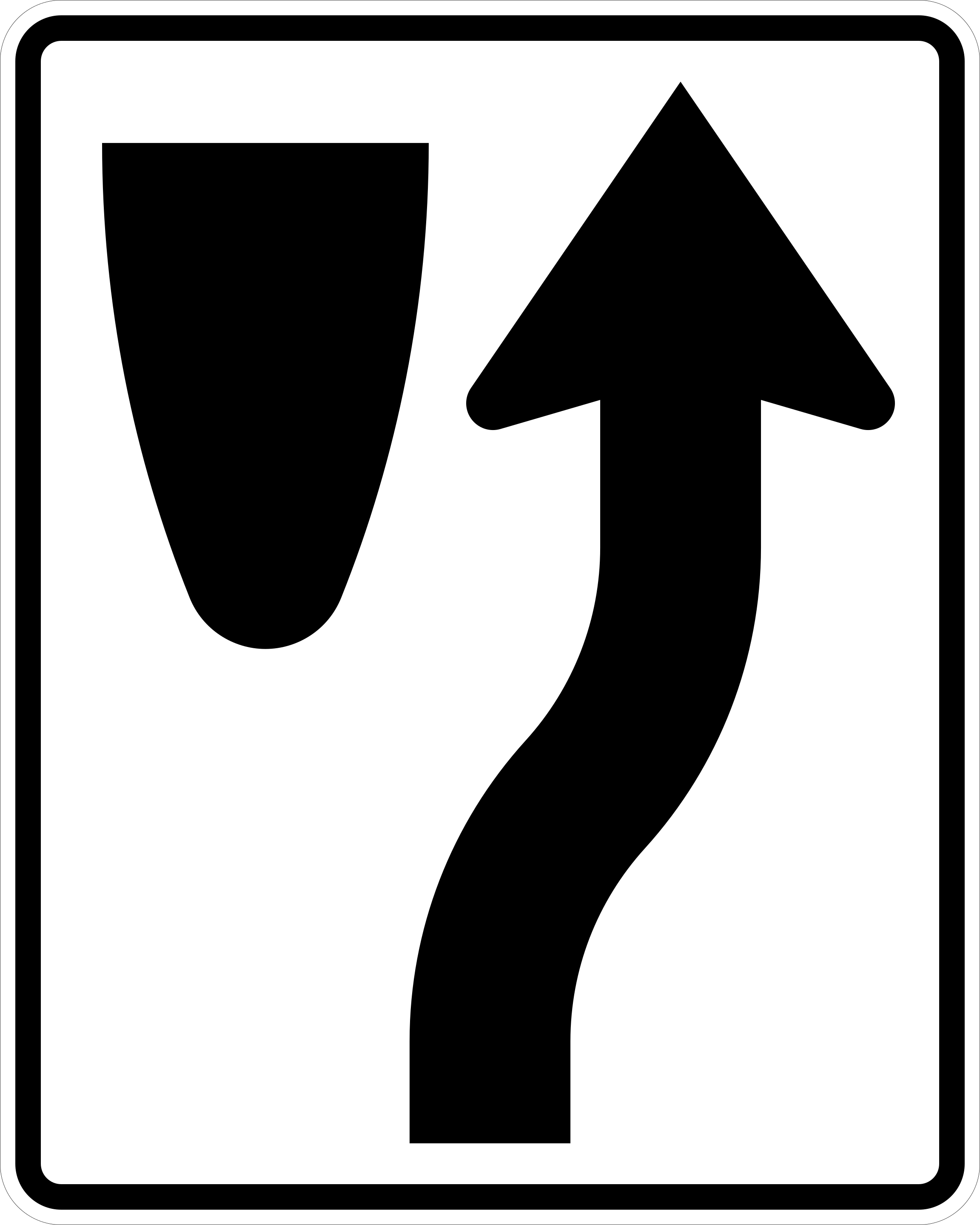
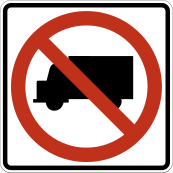
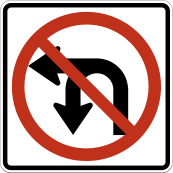
16Regulatory signs control what drivers must or must not do. They use red, white, and black colors to enforce traffic laws — speed limits, stop, yield, no-turns, no-parking, and other commands. Disobeying a regulatory sign is a moving violation.
Warning Signs
21Warning signs alert drivers to hazards or changes ahead — curves, merges, slippery roads, school zones, animal crossings. They use yellow diamonds (or yellow-green pentagons for child-related warnings).
Guide Signs
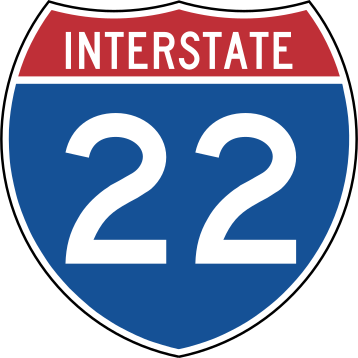
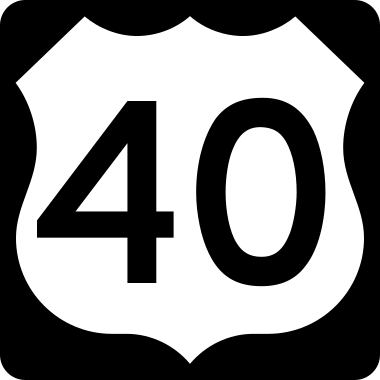
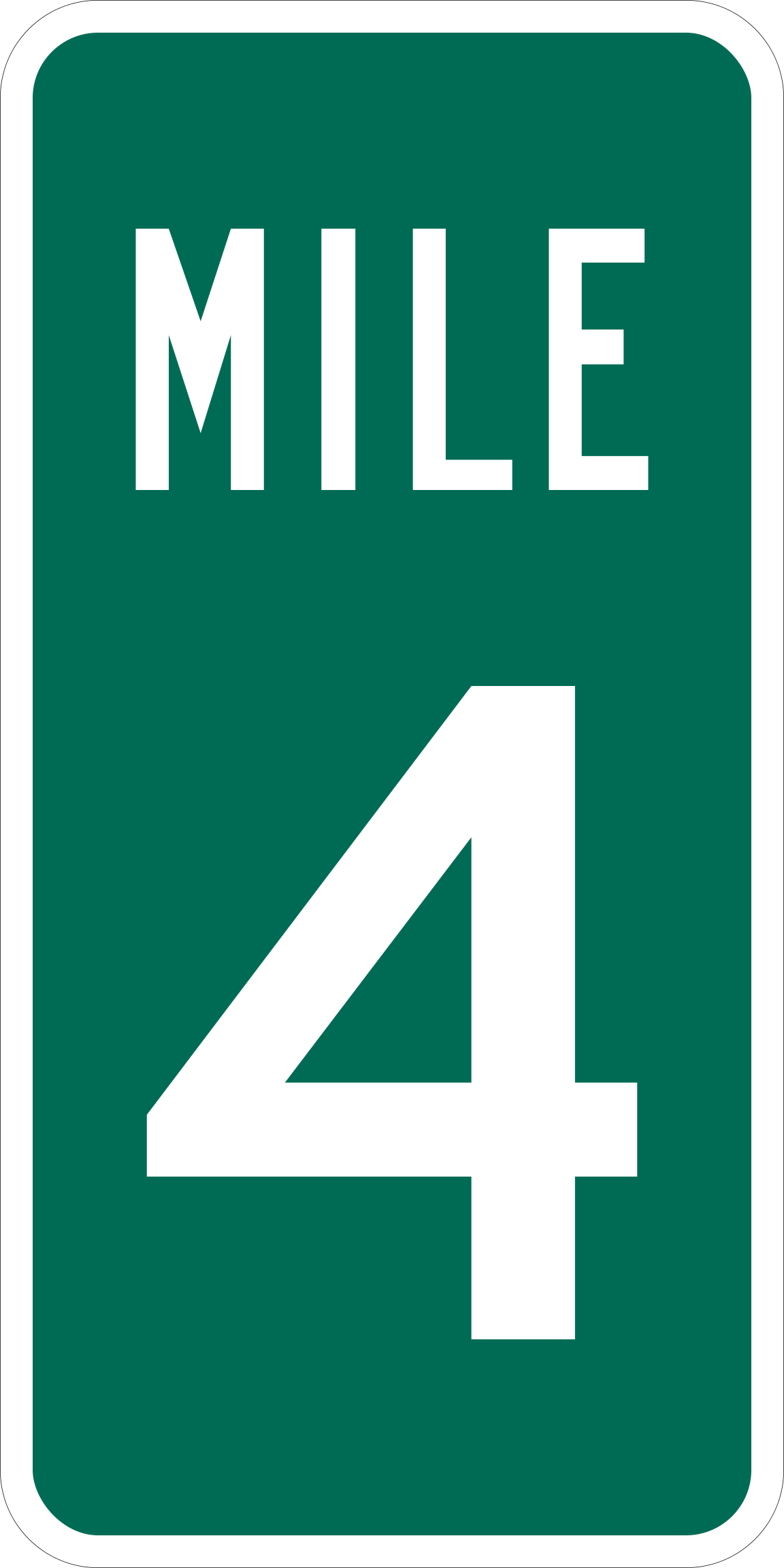
3Guide signs help drivers navigate — interstate shields, US Route markers, mile markers, exit signs, distance signs. They are typically green or blue and provide directional and informational guidance.
Services Signs
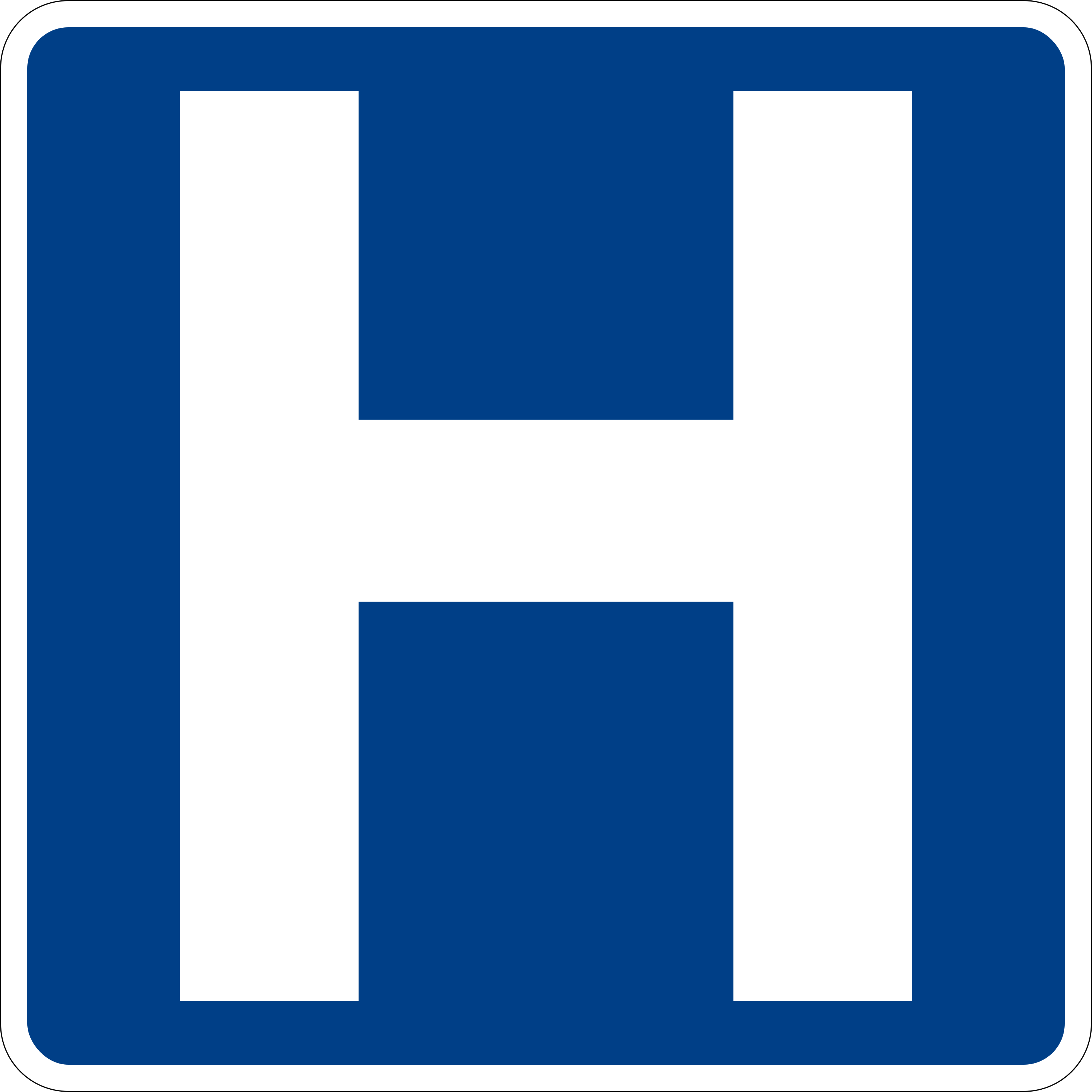
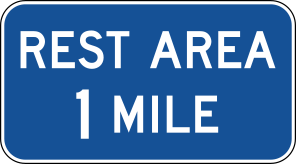
5Services signs point to traveler amenities — gas stations, food, lodging, hospitals, rest areas. They are blue squares with white symbols, displayed near interstate exits to help drivers plan stops.
Construction & Work Zone Signs
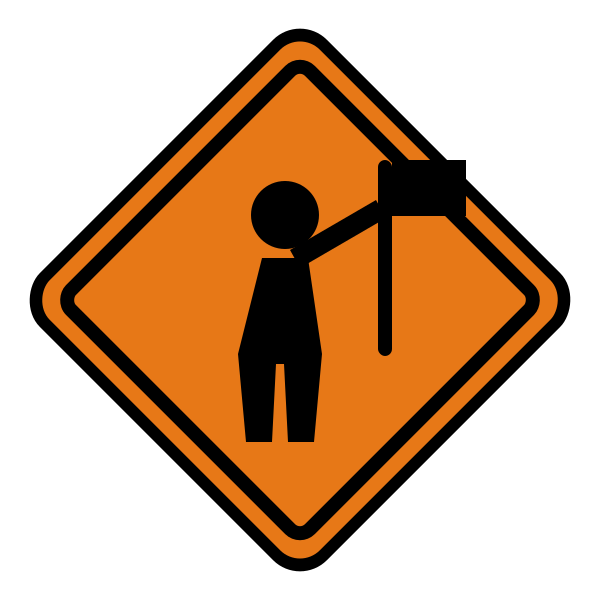
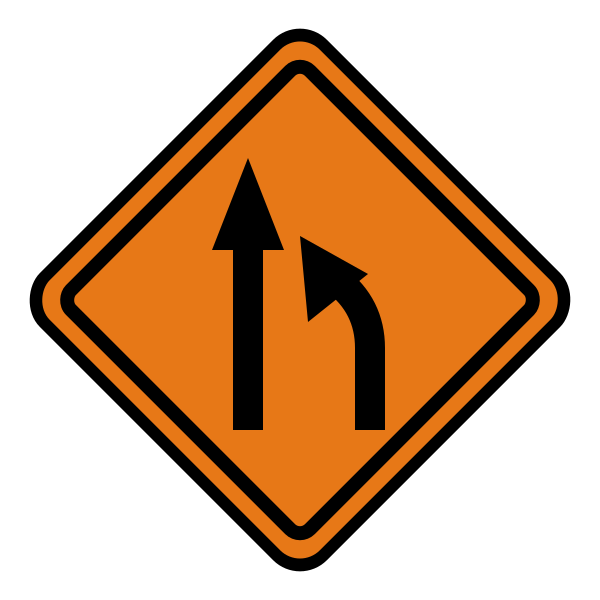
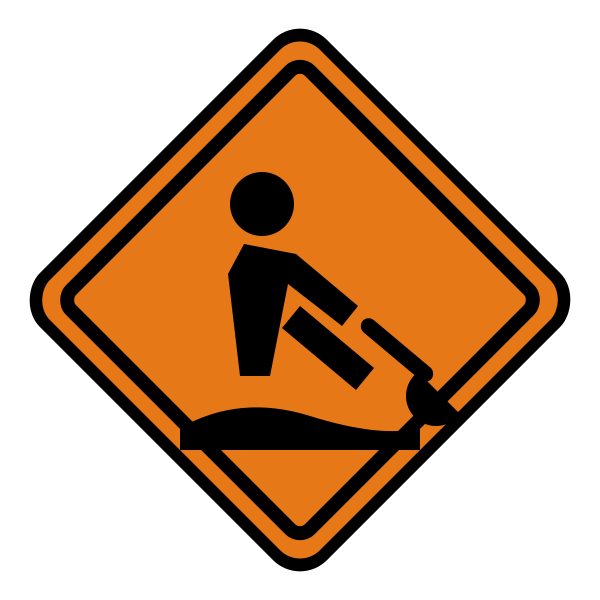
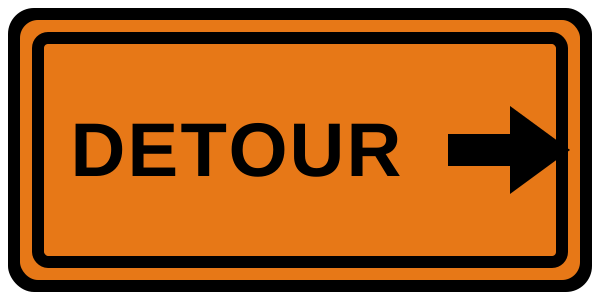
5Construction signs warn of temporary work zones, lane closures, flaggers, and detours. They use orange backgrounds (reserved exclusively for temporary traffic control). Doubled fines often apply.
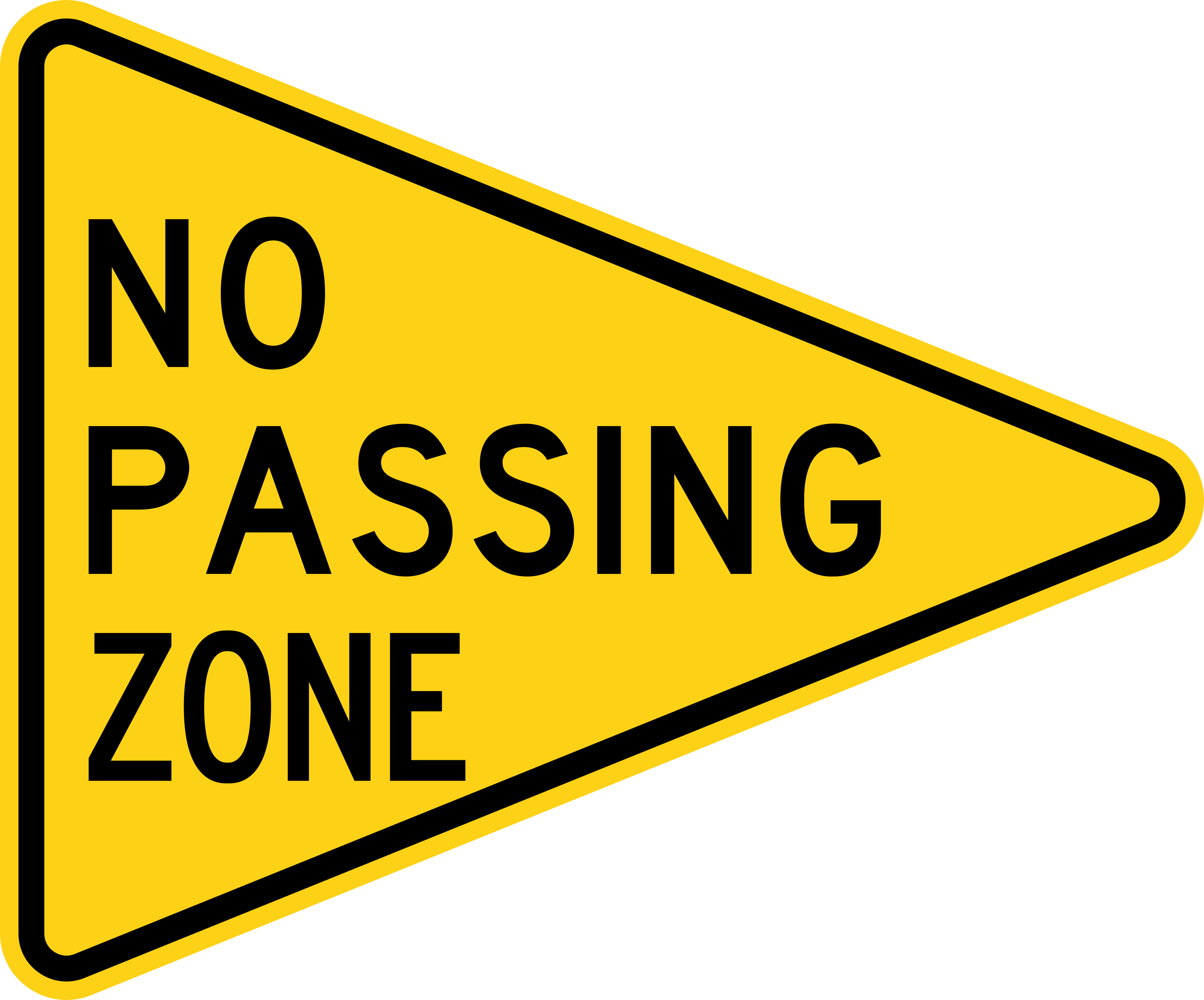
No Passing Zone Sign

School Zone Sign

Pedestrian Crossing Sign

Curve Ahead Sign

Sharp Turn Sign

Merge Sign

Lane Ends Sign

Roundabout Ahead Sign

Cross Road Sign

T Intersection Sign

Stop Ahead Sign
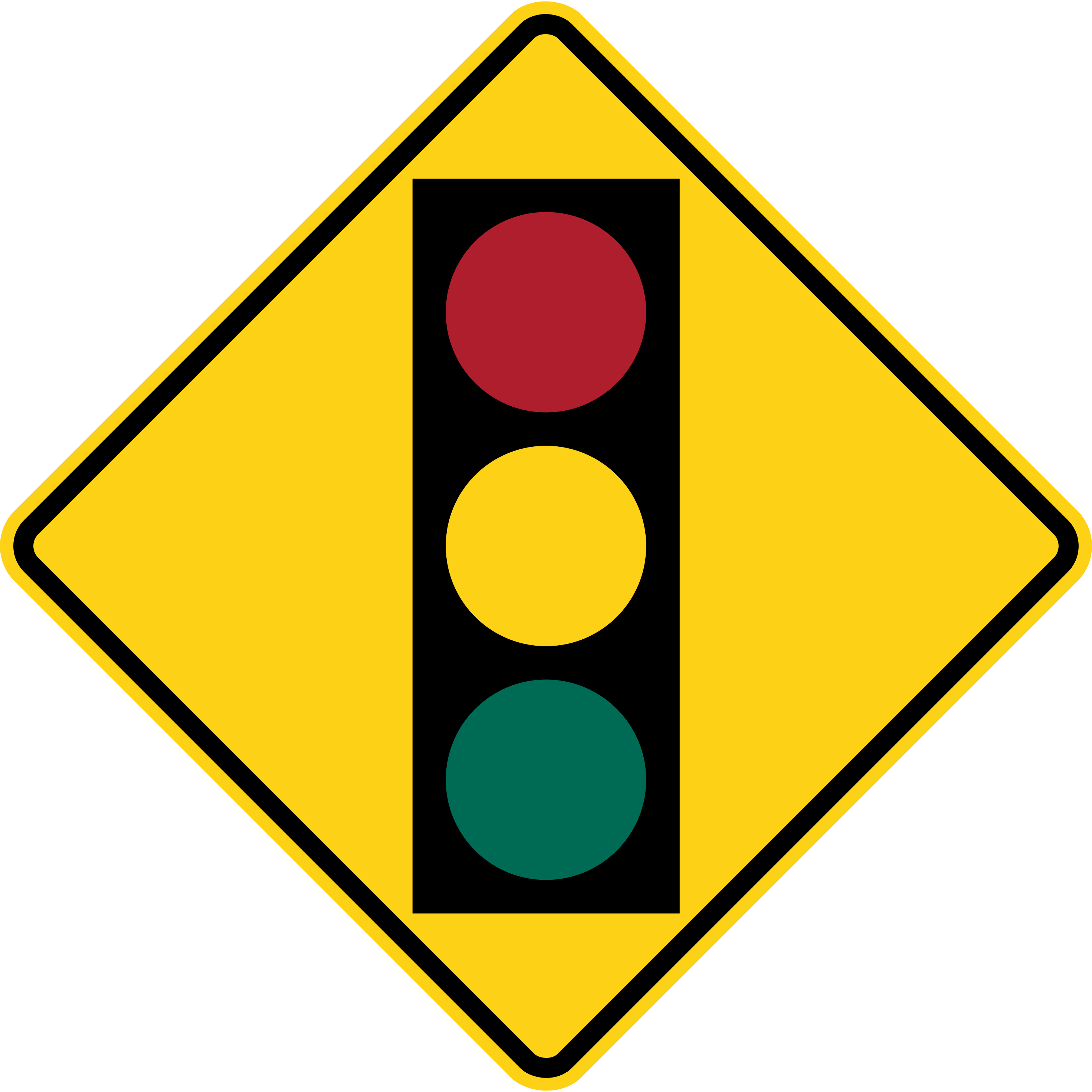
Signal Ahead Sign

Slippery When Wet Sign

Deer Crossing Sign

Bicycle Crossing Sign
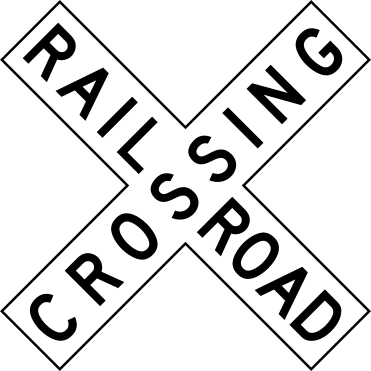
Railroad Crossing Sign
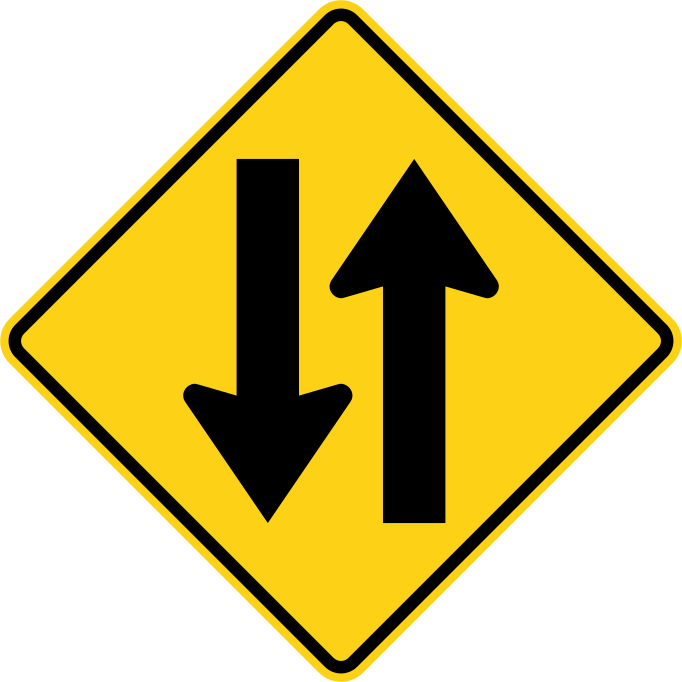
Two-Way Traffic Sign

Divided Highway Begins Sign

Low Clearance Sign
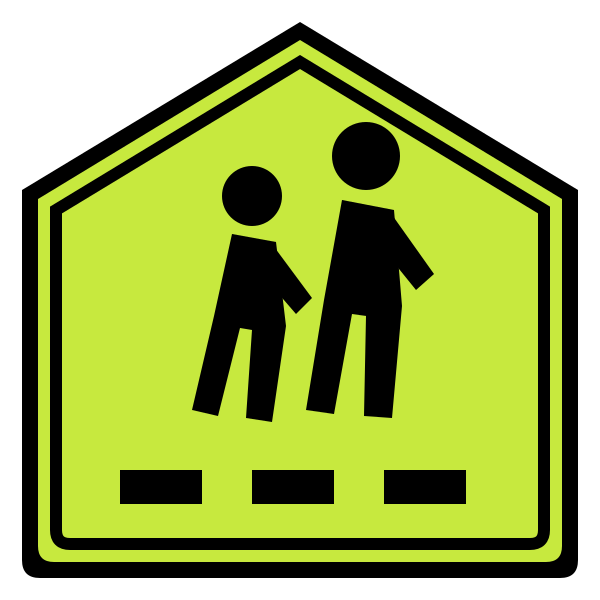
School Crossing Sign

Bridge May Ice in Cold Weather Sign



How US road signs work
All road signs in the United States follow the federal Manual on Uniform Traffic Control Devices (MUTCD). The MUTCD ensures that a stop sign in California looks identical to a stop sign in Maine — eight-sided, red and white, reading STOP. This standardization is one of the unsung accomplishments of US infrastructure: any driver licensed in any state can drive in any other state and recognize signs instantly.
Signs are organized by purpose and color:
- Red: Prohibitions, stops, yields (regulatory)
- Yellow: Warnings about hazards or changes ahead
- Yellow-Green: School zones, pedestrian and bike crossings
- Orange: Temporary work zones and construction
- Green: Guide signs (mile markers, exits, distances)
- Blue: Services (gas, food, lodging, hospital, rest area)
- Brown: Recreational and cultural sites
- White: Speed limits, lane-use rules
Recognizing the color is often enough to understand the sign's intent before you can read it — by design.